03 — How we work

A ClosedProcess

Four stages, one named partner, quarterly reporting. Nothing is delegated to a call centre and nothing is signed without you seeing the numbers. This page is the long version — the whole file goes further still.

Stage 01

Sourcing

We see sites through agents we have used for eighteen years, and through the councils we build for. Most of what we buy is never advertised.

There are eleven agents across South Wales who will call us before they prepare particulars, because we have bought from all of them and we have never withdrawn after terms were agreed. That reputation is the single most valuable thing on our balance sheet and it is why roughly four fifths of what we acquire is never advertised at all.

The rest comes from the local authorities we build for. Blackwood, Caerphilly and Newport all hold land they would rather see developed than sold at auction, and a developer who finishes on programme gets shown it first.

Every site that reaches appraisal gets a full written appraisal whether we buy it or not, and every investor on the register receives all of them each quarter. The rejected ones are the more useful read.

Twelve to twenty sites are appraised each quarter and two or three are taken forward. You receive the appraisal for all of them — including the ones we rejected, and why.
Stage 02

Underwriting

Title, planning risk, ground conditions and build cost are priced before terms are agreed — by our own quantity surveyor, never the vendor's.

Our quantity surveyor is on the payroll, not the vendor's panel, and prices every scheme from first principles before terms are agreed. Where the vendor supplies a cost plan we read it and then ignore it.

Ground is the risk that has cost this industry more money than any other, so we drill before exchange rather than after. On a former industrial site that means a full contamination survey at our own expense on a deal we might not do — which we regard as the cheapest money we spend.

Contingency is 7.5% of build cost as standard, ten per cent on heritage, and it is reported against every single month until practical completion. When it is drawn down you are told that month, not that quarter.

Fixed-price contracts wherever the ground allows. Contingency is set at 7.5% of build cost and reported against every month until practical completion.

Stage 03

Delivery

Our Blackwood team runs the programme: contractors on our books, materials bought early, drawdowns quarterly against certified work.

The site team is ours. The trades are subcontracted but they are the same firms scheme after scheme, on our books, paid on time — which is why they turn up when the programme says they will.

Long-lead materials are bought at the start rather than when they are needed. It ties up capital earlier and it has saved three of the last five schemes from a delay that would have cost more than the carry.

Drawdowns are quarterly and only ever against work certified by the QS. You receive a programme note every month with photographs from site and the certified valuation. If we are behind, that is the month you hear about it.

You receive a monthly programme note, photographs from site and the certified valuation. Slippage is reported the month it happens, not the quarter after.

Stage 04

Exit

Block sale, refinance or staged disposal — modelled at entry and reviewed every quarter until your capital is returned.

The exit is modelled before we buy, not decided at practical completion. Block sale, refinance and staged disposal are each priced at entry, and the one we take is whichever is strongest at the time — reviewed every quarter in between.

Average hold across twenty-seven schemes is thirty-one months. The shortest was nineteen and the longest was fifty-one, and the long one was a heritage scheme where we chose to wait rather than discount.

Since 2008 every exited scheme has returned investor capital in full. Six beat their modelled return, four came in under it, and the rest landed within a point. Past performance is not a guide to future returns, and we would rather you read the four that came in under.

Average hold is thirty-one months. Since 2008 every exited scheme has returned capital in full, and six have beaten their modelled return.

Reporting

What lands inyour inbox

There is no investor portal and no dashboard. There are documents, signed by a person, on a schedule.

Frequency Document What is in it
Monthly Programme note Where the build is against programme, photographs from site, and the certified valuation for the month. Slippage is reported the month it happens.
Quarterly Position report Cash position, drawdowns against contingency, and the current view on exit. One named partner signs it.
Quarterly Appraisal pack Every site we appraised that quarter, including the ones we rejected and the reason. Usually the more useful document.
Annually Portfolio statement Valuations across everything held, with the methodology attached, and the audited accounts of the holding company.
Where it can go wrong

Three things we
have got wrong.

A track record page that only lists wins is a marketing document. These are the three that cost investors money or time, and what changed afterwards.

A ground condition we did not drill for

In 2014 we bought a former foundry on a cost plan supplied by the vendor. Remediation came in at four times the allowance. Since then we drill before exchange, at our own expense, on deals we might not do.

A contractor we could not replace

A main contractor entered administration mid-programme in 2017 and cost us five months. We now hold the trades directly rather than through a main contract wherever the scheme allows it.

An exit we modelled too tightly

One 2019 scheme was modelled on a block sale that did not materialise, and we held eleven months longer than planned. Every scheme is now modelled against three exits at entry, not one.

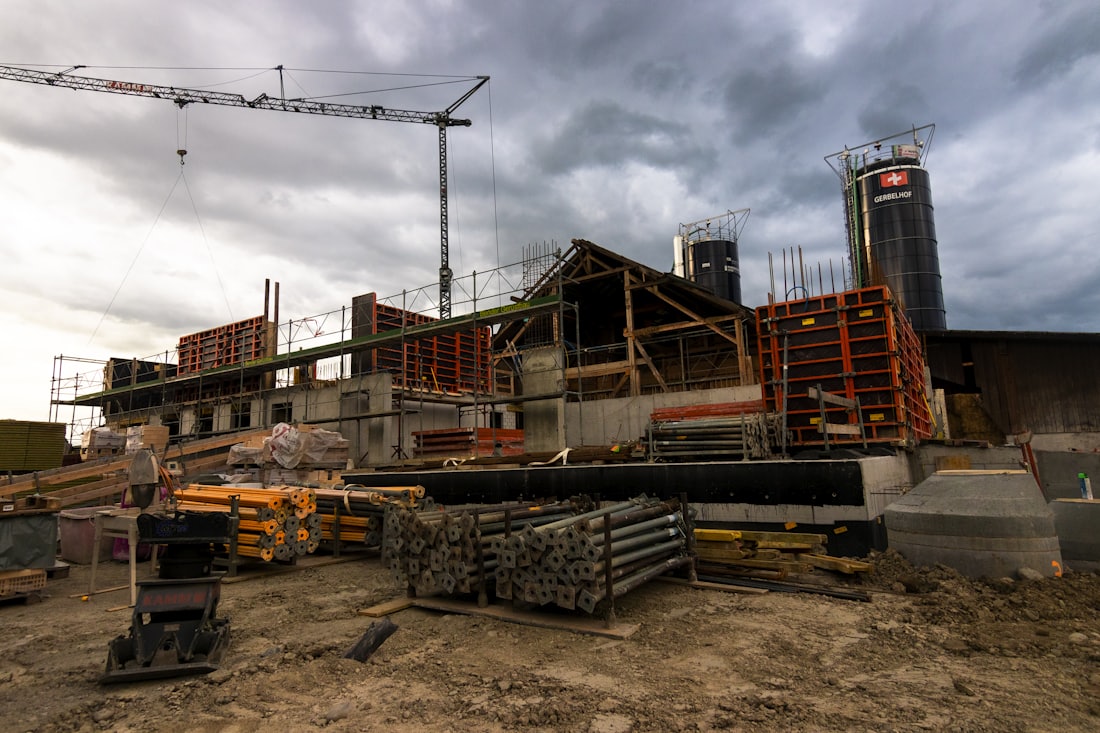
A development site under construction with tower cranes

Delivery is run by our own team from Blackwood. The trades are subcontracted, but they are the same firms scheme after scheme.

Access

Read the whole file.

Request an introduction